Development / ROBLOX
Developer Product or Pass in Roblox: choosing an offer type before building a shop
Compare repeat purchases with a one-time privilege. Define an offer specification, align the card with its server-side effect, and plan different checks for Developer Products and Passes.
Begin with the promise to the player #
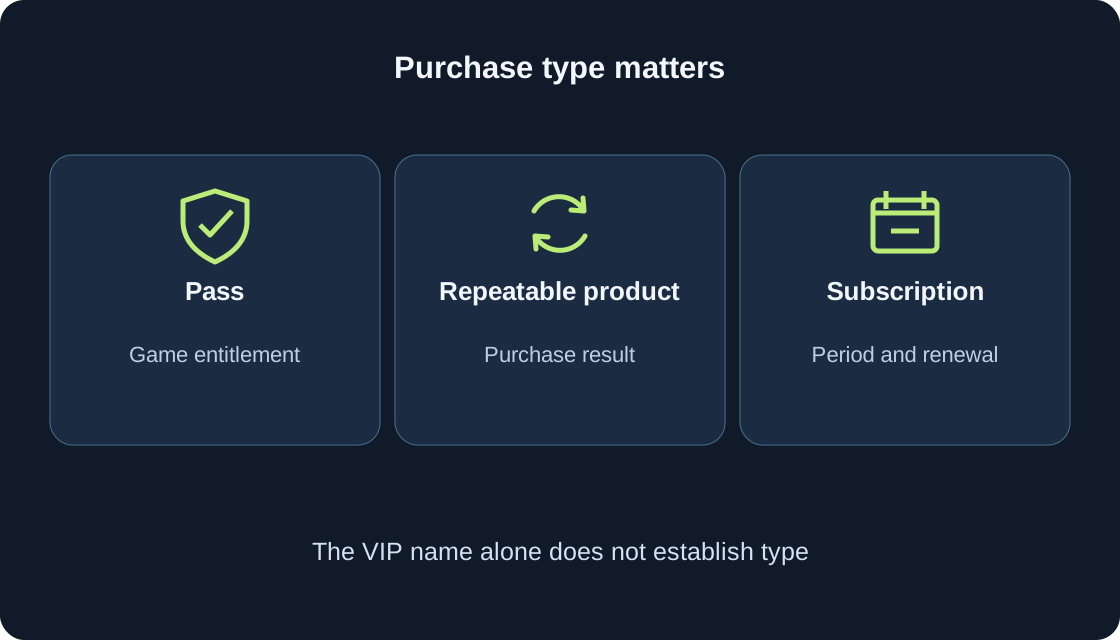
Before choosing a sale type, write exactly what the player receives. “VIP”, “bonus” and “upgrade” are too vague: any could mean ongoing access, a consumable item or a temporary effect. State the result, where it applies, and what happens after use or a later join.
Our exercise uses two fictional offers: a pack of practice tokens and access to a training room. Neither is a real paid offer in our games. No Pass or Developer Product was created, price changed or purchase made for this article. We are choosing a design and proposing checks, not launching a working shop.
Distinguish repeat purchases from a privilege #
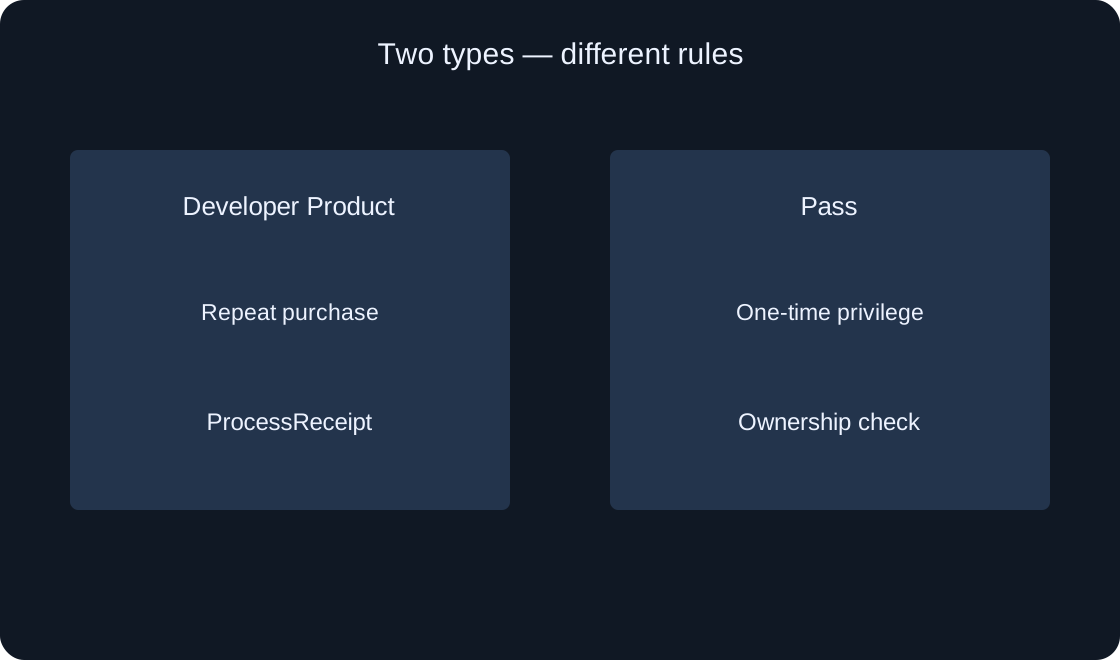
A Developer Product is designed for something a player can purchase more than once. A Pass represents a one-time purchase of a privilege. Ask first whether the same player can meaningfully buy this offer again, and then what should remain available after the previous purchase.
Answer using the mechanic. If practice tokens are consumed and a new purchase should add another pack, consider a Developer Product. If the offer unlocks one privilege without requiring another purchase of it, consider a Pass. These are candidates for our fictional example, not a universal monetization recommendation or a prediction that the offer will earn money.
 Open full-size image ↗
Fill in an offer specification #
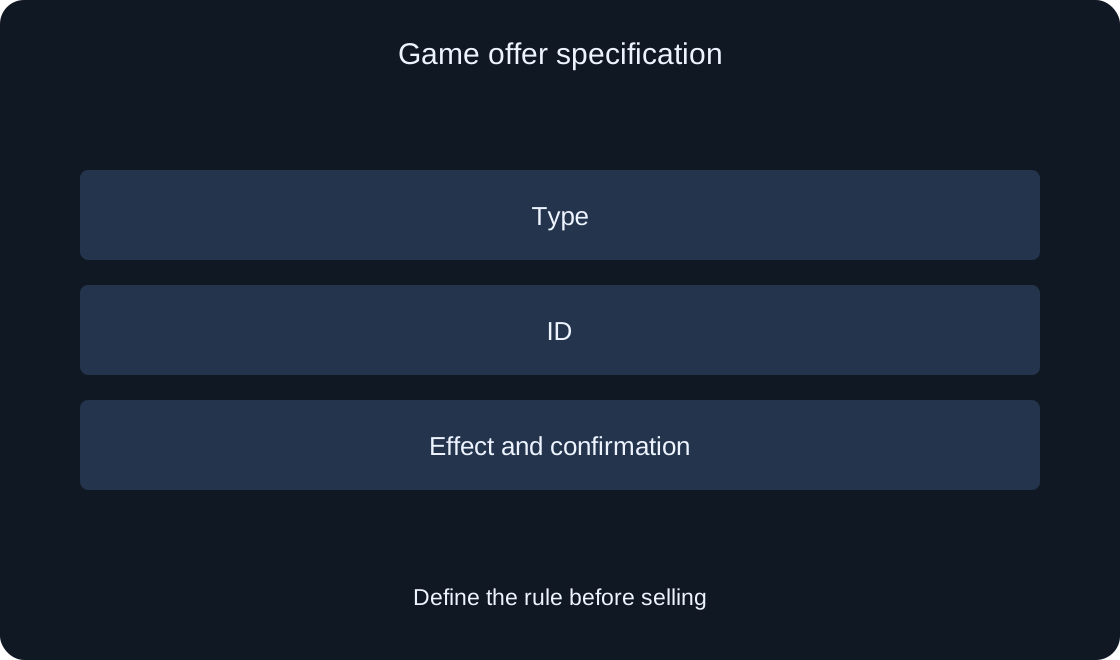
Include a clear name, effect, repeatability, proposed type, corresponding ID and rule for applying the effect. Leave the ID blank until a real object exists; do not use another creator's ID or an invented working number. Identify separately the server logic responsible for the player's entitlement and the state change.
Add a later-join question. The room needs access applied for an existing Pass owner; tokens need a defined quantity-storage and purchase-fulfillment model. A product name cannot solve either task. The specification reveals unfinished work before an appealing card is shown to players.
 Open full-size image ↗
Examine a consumable pack #
Suppose the practice mechanic consumes tokens. A newly confirmed purchase should deliver its intended new pack. Distinguish two different purchases of the same Developer Product from repeated processing of one purchase. The latter must not repeat a grant that already happened; it needs correct handling of the same operation.
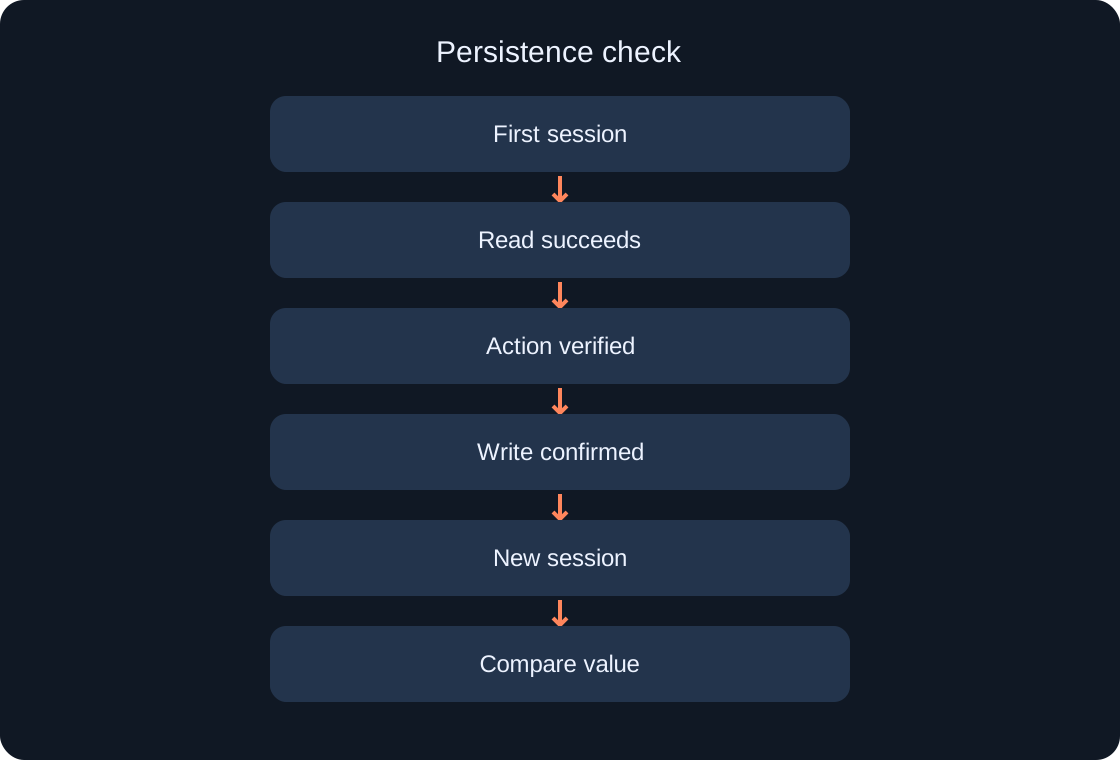
Plan these as separate cases, recording the expected quantity change and confirmation method. This article does not implement a receipt handler, persistent balance or actual fulfillment. One increase after a normal button press cannot establish readiness: repeated handling, failures and later joins still need investigation.
Examine access through a Pass #
A training-room Pass can represent access after a one-time purchase. Creating the Pass does not implement the door, server rules or privilege application. Documentation separately describes ownership checks and assigning the benefit to players who already own the Pass when joining.
Plan for both a new purchaser and someone who owned the Pass before the current join. Server logic must use the correct player and Pass, and access must match the description. Do not replace the actual mechanic promise with an undefined “forever”. Describe the privilege granted in this project and the places where it applies.
Keep the confirmation paths distinct #
A Developer Product uses ProcessReceipt for purchase handling. PromptProductPurchaseFinished does not confirm a successful purchase and must not replace fulfillment processing. A Pass has its own ownership checks and events; similar buttons do not make Developer Product rules interchangeable with Pass rules.
The diagram separates the paths after type selection. Each has its own identifier, confirmation and application. It is a conceptual map rather than a script. Before implementation, review the current documentation for the selected API and your system's cases. Avoid a single generic dialog-finished handler that grants an effect regardless of type.
Align the card with the game effect #
The card should explain the outcome and repeatability. For a pack, describe what one purchase provides; for the room, explain the owner's privilege. Matching artwork and headings across two types do not replace that explanation. The button should refer to the offer ID recorded in the specification.
Retrieve and display pricing and sale information according to the current Roblox implementation instead of embedding invented values from a tutorial. This article contains no prices. Before real sales, check agreement between description, type and handler. An unfinished part of the effect should not be advertised as an available feature.
Separate absent ownership from a failed check #
Pass checks have distinct outcomes: confirmed ownership, confirmed non-ownership and a failed request. A failed check does not establish that the player lacks the Pass. Plan a temporary-check message and door behavior while preserving the difference between an unknown result and a verified lack of entitlement.
For Developer Products, plan separately for an unknown ID, unavailable effect and failed recording. Do not acknowledge fulfillment your system could not perform and reliably account for under its chosen model. These are requirements for later implementation, not a complete retry protocol or a guarantee against cross-server failures.
Prepare a review matrix #
For Passes, list an existing owner joining, a new purchaser, cancellation and ownership-check failure. For Developer Products, list different purchases of one offer, repeat processing of one purchase and temporary inability to grant. Record the expected right or change for each case; actual observations remain blank until your own test.
Do not make a real payment merely to follow this article. Discuss and inspect the plan in a separate prototype first, then verify the available means and conditions for the particular test before running it. The table is an original task specification. It contains no actual payment, grant or purchase history from our games.
| Question | Clarify |
|---|---|
| Can it be bought again? | Define mechanic repeatability |
| What remains after purchase? | Specify quantity or privilege |
| How is a Product fulfilled? | Separately verified receipt processing |
| How is a Pass applied? | Ownership check and server application |
Record the decision before starting sales #
The result should answer four questions: what is promised, can it be bought again, which type was selected, and how is its effect confirmed and applied? Share the specification, matrix and unfinished-work list with another developer. This lets them implement the right path instead of choosing a type after designing the shop.
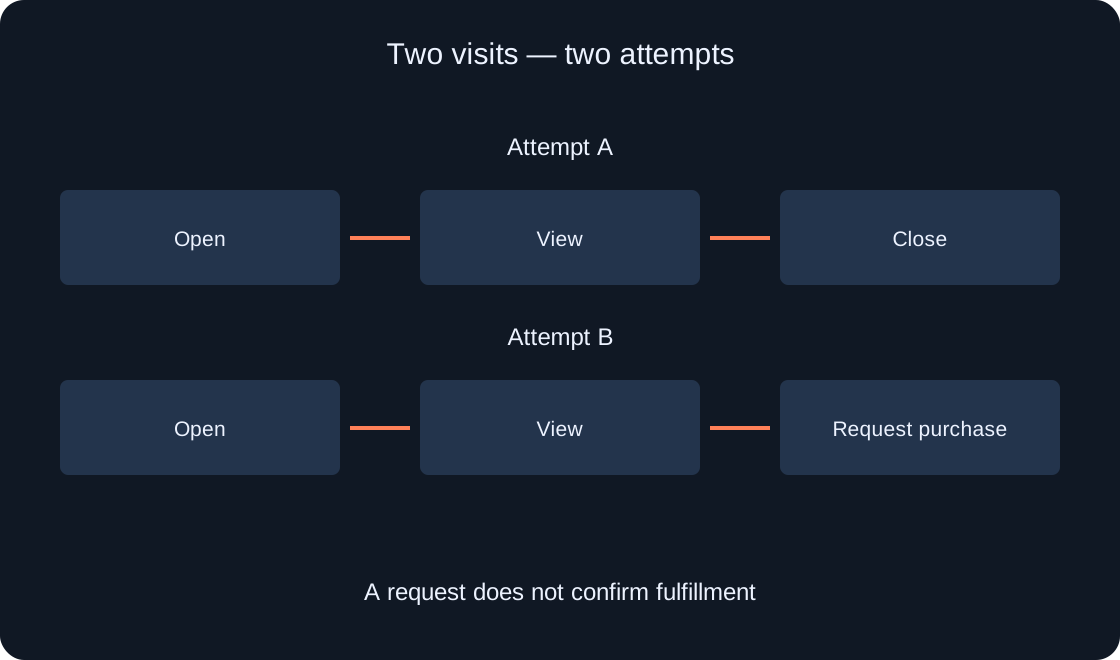
Choosing a type does not make a paid shop ready. Developer Product processing, Pass entitlement, interface and persistence each need checks. A click event does not confirm fulfillment, and a website visit does not establish a Roblox purchase. This guide supplies original diagrams and a design plan, without starting sales or promising earnings.
| Check | Record |
|---|---|
| Promise | Exact effect and scope |
| Identifier | Type and corresponding ID |
| Confirmation | Entitlement and actual application |
| Repeat | Later joins and repeated processing |
Original sources
Roblox Creator Hub — Developer ProductsRoblox Creator Hub — Passes
Roblox Creator Hub — MarketplaceService API